
Termite Control in Kuwait: Protect Your Property from Silent Destruction
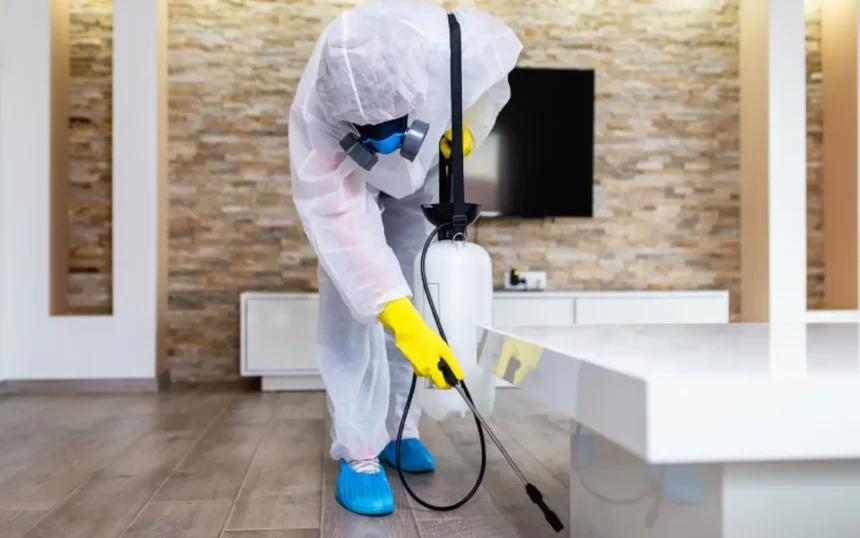
You won’t hear them. You won’t see them. But beneath your villa’s foundation, inside your walls, and behind your baseboards, termites may be eating away at your most valuable asset — silently, relentlessly, and around the clock. In Kuwait, where property values run into hundreds of thousands of dinars, termite damage isn’t just a maintenance issue. It’s a financial threat that can cost tens of thousands to repair if left unchecked.
This guide covers everything you need to know about termite control in Kuwait: the species that threaten your property, how to recognize the warning signs, treatment options, prevention strategies, and how to choose the right professional service before it’s too late.
Why Termites Are a Serious Threat in Kuwait
The Desert Subterranean Termite
Kuwait’s primary termite threat comes from subterranean termites — specifically species in the Anacanthotermes and Microtermes genera that are native to the Arabian Peninsula. Unlike the drywood termites found in some regions, subterranean termites build massive underground colonies and travel through mud tubes to reach their food source: the cellulose in wood, paper, and other plant-based materials.
These colonies can contain hundreds of thousands to millions of individual termites, and a mature colony can consume up to 400 grams of wood per day. Over months and years, this consumption weakens structural beams, door frames, flooring, and any wood component of your building.
Why Kuwait’s Environment Favors Termites
Several factors make Kuwait particularly vulnerable to termite infestations:
- Soil composition: Kuwait’s sandy and loamy soils allow termites to tunnel extensively underground, creating vast foraging networks that can extend 50–100 meters from the colony center
- Irrigation systems: Kuwait’s extensive garden and landscape irrigation creates the moisture subterranean termites need to survive — essentially turning desert soil into termite-friendly habitat
- Underground utility networks: Pipes, cables, and drainage systems create pathways termites use to travel beneath and into buildings
- Construction practices: Many buildings in Kuwait use wooden formwork that is left in place after concrete pouring, providing a hidden food source for termites within the foundation
- Limited natural predators: Kuwait’s urban environment lacks the anteaters, certain bird species, and other natural termite predators found in other ecosystems
The Financial Impact
Termite damage in Kuwait often goes undetected for years because these insects eat wood from the inside out, leaving the exterior surface apparently intact. By the time damage becomes visible — sagging floors, hollow-sounding wood, or mud tubes on walls — the internal structural damage may already be severe.
| Damage Level | Typical Repair Cost (Kuwait) | Timeline |
|---|---|---|
| Early detection (minor damage) | KD 200–500 | Discovered within 1–2 years |
| Moderate damage (replacing beams/frames) | KD 2,000–5,000 | 3–5 years undetected |
| Severe damage (structural repair) | KD 10,000–30,000 | 5+ years undetected |
| Complete reconstruction | KD 50,000+ | Long-term neglect |
The key insight: early detection and prevention cost a fraction of repair. Annual termite inspections in Kuwait cost KD 30–50. Ignoring the problem can cost 1,000 times more.
Termite Species in Kuwait
Subterranean Termites (Primary Threat)
Anacanthotermes spp. — Desert Subterranean Termite
- The most destructive species in Kuwait
- Builds large underground colonies (up to several million individuals)
- Constructs distinctive mud tubes on foundation walls and along surfaces
- Requires contact with soil moisture to survive
- Active year-round in Kuwait’s climate
- Primarily attacks structural wood, door frames, baseboards, and furniture
Microtermes spp. — Micro Subterranean Termite
- Smaller colonies but multiple satellite colonies common
- Often found in irrigated garden areas and near water sources
- Can damage wooden landscape elements, fences, and outdoor structures
- Frequently enters buildings through expansion joints and plumbing penetrations
Drywood Termites (Secondary Threat)
Kalotermes spp. — Occasional in imported wooden items
- Less common in Kuwait than subterranean species
- Does not require soil contact — lives entirely within the wood
- Usually introduced via infested furniture, wooden crates, or imported building materials
- Produces distinctive fecal pellets (small, hexagonal, wood-colored)
- Can infest upper floors and areas away from ground contact
Warning Signs: How to Detect Termites
Visible Signs
Mud tubes — The most obvious indicator of subterranean termites. These pencil-width tubes made of soil, wood particles, and termite saliva run along foundation walls, crawl spaces, and exterior surfaces. They protect termites from predators and desiccation while traveling between the colony and their food source.
Where to look for mud tubes:
- Along exterior foundation walls, especially where soil meets the wall
- On interior walls behind furniture or appliances
- In utility rooms and storage areas
- Around plumbing penetrations under sinks
- In garages, especially along wall-floor junctions
- On wooden fence posts and garden structures
Discarded wings — After swarming (typically in spring and early summer in Kuwait), reproductive termites shed their wings. Piles of translucent wings near windowsills, light fixtures, and vents are a sign that a colony is nearby and actively reproducing.
Hollow-sounding wood — Tap wooden surfaces with a screwdriver handle. If the sound is hollow or papery, termites may have eaten the interior while leaving the surface layer intact.
Frass (termite droppings) — For drywood termites, small hexagonal pellets accumulating beneath infested wood. For subterranean termites, mud-like material pushed out of kick-out holes.
Buckling paint or wallpaper — As termites consume wood and introduce moisture, paint and wallpaper may bubble, crack, or discolor — often mistaken for water damage.
Stiff doors and windows — Termite-produced moisture can cause wooden door and window frames to warp, making them difficult to open or close.
What You Won’t See
- Termites themselves (they avoid light and remain hidden inside wood or mud tubes)
- The full extent of internal damage (external wood may appear completely normal)
- The colony (which may be 30–50 meters away from the damaged structure)
This is why professional inspection with specialized equipment is essential.
Professional Termite Inspection
What a Professional Inspection Includes
A comprehensive termite inspection by Guardix covers:
- Exterior perimeter assessment — checking foundation walls, soil-line contact, mud tubes, and wooden elements
- Interior room-by-room examination — tapping wood, checking for hollow sounds, inspecting door frames and baseboards
- Moisture meter readings — identifying elevated moisture levels that may indicate termite activity behind walls
- Roof and attic inspection — checking wooden roof trusses and ceiling joists
- Sub-floor and crawl space examination — where accessible
- Garden and landscape assessment — identifying termite-friendly conditions near the building
- Moisture and thermal imaging — using infrared cameras to detect hidden moisture and termite activity within walls
How Often Should You Inspect?
| Property Type | Recommended Frequency |
|---|---|
| Residential villa | Annually (minimum) |
| Residential apartment | Every 18 months |
| Commercial building | Annually |
| Pre-purchase inspection | Mandatory before purchase |
| Post-treatment monitoring | Quarterly for first year |
| High-risk properties (near irrigation/gardens) | Every 6 months |
Treatment Options
1. Soil Treatment (Pre-Construction)
When applied: During construction, before the foundation slab is poured
How it works: Professional-grade termiticide (typically containing fipronil, imidacloprid, or chlorantraniliprole) is applied to the soil beneath and around the foundation. This creates a chemical barrier that termites cannot penetrate.
Effectiveness: 5–10 years of protection when properly applied
Cost (Kuwait): KD 500–1,500 depending on building size
Why it matters in Kuwait: Kuwait Municipality requires termite pre-treatment for new construction in many areas. However, enforcement varies, and many older buildings were never treated. If you’re building a new property, insist on professional soil treatment — it’s the single most effective preventive measure.
2. Post-Construction Soil Treatment
When applied: After construction, when termites are already present or as prevention
How it works: Termiticide is injected into the soil around and beneath the building through drilled holes in floors and along the foundation perimeter. This creates a treated zone that termites cannot cross.
Application process:
- Drill holes at intervals along interior floors (near walls) and exterior perimeter
- Inject termiticide under pressure to ensure soil saturation
- Seal drill holes with matching material
- The treated soil barrier prevents termites from entering the structure
Effectiveness: 5–8 years
Cost (Kuwait): KD 800–2,500 depending on building size and infestation severity
3. Bait Systems
When applied: For active infestations and ongoing monitoring
How it works: Termite bait stations containing a slow-acting toxicant (such as hexaflumuron or chlorfluazuron) are placed in the ground around the building. Worker termites discover the bait, consume it, and carry it back to the colony, where it is shared with other termites — including the queen. Over 2–6 months, the entire colony is eliminated.
Advantages:
- Eliminates the entire colony, not just the termites near the building
- No drilling or interior disruption required
- Environmentally targeted — only affects termites
- Provides ongoing monitoring through regular station checks
Disadvantages:
- Slower acting than soil treatment (weeks to months for full effect)
- Requires regular professional monitoring (quarterly visits)
- Higher long-term cost due to ongoing service visits
Cost (Kuwait): KD 200–400 installation + KD 100–200/quarter monitoring
4. Wood Treatment
When applied: For exposed wooden elements and localized infestations
How it works: Borate-based treatments are applied directly to wood surfaces. The borate penetrates the wood and remains active for years, killing termites that attempt to feed on treated wood.
Best for: Door frames, baseboards, exposed beams, wooden furniture, and preventive treatment of new wooden installations
Cost (Kuwait): KD 5–15 per linear meter of treated wood
5. Fumigation (For Drywood Termites Only)
When applied: When drywood termites are detected in furniture or localized areas
How it works: The infested item or area is enclosed and filled with a gas (sulfuryl fluoride) that penetrates the wood and kills all termites within.
Important: Fumigation is only effective for drywood termites. Subterranean termites — Kuwait’s primary threat — cannot be eliminated by fumigation because the colony lives in the soil, not in the wood.
Cost (Kuwait): KD 150–500 per treatment
Prevention Strategies
During Construction
- Insist on soil treatment before the foundation is poured
- Use termite-resistant materials for door frames, baseboards, and structural elements where possible
- Remove all wooden formwork after concrete pouring — don’t leave it in place
- Install physical termite barriers (stainless steel mesh or graded stone barriers) at critical entry points
- Ensure proper soil grading to direct water away from the foundation
- Seal all cracks and joints in the foundation and slab
For Existing Buildings
- Annual professional inspection — non-negotiable in Kuwait
- Eliminate wood-to-soil contact — ensure at least 15cm clearance between wooden elements and soil
- Reduce moisture around foundation — fix leaking outdoor faucets, redirect AC condensate drains, ensure proper drainage
- Store firewood and wooden items at least 6 meters from the building and elevated off the ground
- Seal cracks in foundation and walls — termites can enter through gaps as narrow as 1mm
- Monitor irrigation systems — ensure garden watering doesn’t saturate soil near the foundation
- Keep vegetation trimmed — at least 30cm clearance between plants and the building exterior
- Install and maintain bait stations for continuous monitoring
For Villas with Gardens
Villas with irrigated gardens face the highest termite risk in Kuwait. Additional precautions include:
- Install termite bait stations around the garden perimeter
- Use treated wood for landscape elements (pergolas, fences, planters)
- Avoid mulch against the foundation — use gravel or stone instead
- Monitor palm tree bases for termite activity
- Ensure irrigation doesn’t create standing water near the building
Cost Comparison: Treatment vs. Prevention vs. Repair
| Approach | Annual Cost | 10-Year Cost | Risk of Damage |
|---|---|---|---|
| No prevention or inspection | KD 0 | KD 0 + repair costs (KD 2,000–50,000+) | Very high |
| Annual inspection only | KD 30–50 | KD 300–500 | Moderate (early detection) |
| Annual inspection + bait monitoring | KD 150–300 | KD 1,500–3,000 | Low |
| Pre-construction soil treatment + annual inspection | KD 30–50 (after initial) | KD 800–1,000 initial + KD 300–500 | Very low |
| Post-construction soil treatment + annual inspection | KD 30–50 (after initial) | KD 800–2,500 initial + KD 300–500 | Low |
The economics are clear: spending KD 50–300 per year on prevention and monitoring can save tens of thousands in repair costs.
Industry-Specific Considerations
Real Estate and Property Management
Termite damage disclosure is increasingly important in Kuwait’s real estate market. Property managers should:
- Maintain annual termite inspection records
- Address infestations before listing properties
- Provide treatment history to potential buyers
- Include termite clauses in lease agreements for commercial properties
Construction Companies
Construction firms in Kuwait should:
- Include pre-construction termite treatment as a standard offering
- Use treated wood for all structural and decorative elements
- Provide termite treatment certificates to property owners
- Remove all wooden formwork and construction debris from the site
Hotels and Commercial Properties
Termite damage in commercial settings affects not only the structure but also:
- Guest experience and safety
- Business continuity during treatment
- Insurance premiums and coverage
- Regulatory compliance and health department ratings
Frequently Asked Questions
Q: How can I tell the difference between termite damage and water damage?
A: Termite damage typically has a honeycomb or layered appearance inside the wood, with mud-packed galleries. Water damage causes wood to warp, discolor, and feel soft uniformly. When in doubt, tap the wood — termite-damaged wood sounds hollow, while water-damaged wood sounds damp and soft. A professional inspection with moisture meters can definitively distinguish between the two.
Q: Are termites active year-round in Kuwait?
A: Yes. Kuwait’s mild winters don’t provide the deep freeze that limits termite activity in colder climates. Subterranean termites remain active throughout the year, though swarming (when reproductive termites leave the colony to start new ones) typically occurs in spring and early summer.
Q: Can I treat termites myself?
A: DIY termite treatment is not recommended. Subterranean termite colonies are too large and too deeply established in the soil for consumer products to eliminate. Professional-grade termiticides, specialized injection equipment, and the expertise to locate and treat all entry points are essential for effective control.
Q: How long does termite treatment last?
A: Soil treatments typically provide 5–8 years of protection. Bait systems provide continuous protection as long as they are monitored and maintained. Annual inspection is recommended regardless of treatment type to ensure the barrier remains intact.
Q: Is termite treatment safe for my family and pets?
A: Modern professional termiticides are designed to bind tightly to soil particles, preventing leaching or migration. When applied according to label directions by licensed professionals, the risk to humans and pets is minimal. Borate wood treatments are even lower in toxicity. Always discuss safety concerns with your treatment provider.
Q: I’m buying a property in Kuwait. Should I get a termite inspection?
A: Absolutely. A pre-purchase termite inspection costs KD 50–100 and can reveal damage that might cost tens of thousands to repair. It should be as routine as a structural survey. Many Kuwaiti real estate agents now recommend termite inspections as standard practice.
Q: Do home insurance policies in Kuwait cover termite damage?
A: Most standard property insurance policies in Kuwait do not cover termite damage, as it is considered a maintenance issue rather than a sudden event. Some specialized policies offer termite coverage as an add-on. Check your policy carefully and consider whether additional coverage is warranted.
Why Choose Guardix for Termite Control
- Certified termite specialists with extensive experience in Kuwait’s subterranean termite species
- Comprehensive inspection technology including moisture meters and thermal imaging
- Multiple treatment options — soil treatment, bait systems, and wood treatment customized to your situation
- Pre-construction and post-construction solutions for new and existing buildings
- Guaranteed results with follow-up inspections and monitoring
- Detailed reporting for real estate transactions and insurance documentation
- All Kuwait governorates served with emergency response capability
Don’t wait until termite damage becomes visible — by then, the repair costs have already multiplied. Contact Guardix today for a professional termite inspection and protect your property investment.
Concerned about termites? Call Guardix or visit guardix-me.com to schedule your inspection. We serve all governorates including Kuwait City, Hawally, Farwaniya, Jahra, Mubarak Al-Kabeer, and Ahmadi.