
Bed Bug Treatment in Kuwait: How to Detect, Eliminate, and Prevent Infestations
You wake up with itchy red bites on your arms and legs. You notice tiny dark spots on your mattress seams. You pull back the sheets and see something that makes your stomach drop — small, flat, reddish-brown insects scurrying into the folds of your bedding.
Bed bugs have invaded your home.
If you are dealing with a bed bug infestation in Kuwait, you are far from alone. These resilient parasites have made a dramatic comeback across the Gulf region, thriving in Kuwait’s climate and dense urban environments. The good news: bed bugs are entirely treatable with the right approach. The bad news: DIY methods almost always fail, and delaying professional treatment allows the infestation to spread exponentially.
This comprehensive guide covers everything Kuwait residents need to know about bed bugs — from early detection and identification to professional treatment options, costs, and long-term prevention strategies tailored specifically to Kuwait’s unique environment.
Understanding Bed Bugs: What Kuwait Residents Need to Know
What Are Bed Bugs?
Bed bugs (Cimex lectularius) are small, wingless parasitic insects that feed exclusively on human blood. Adults are roughly the size of an apple seed — about 4-5mm long — with flat, oval bodies that swell and turn reddish after feeding. They are nocturnal, emerging from their hiding places at night to feed on sleeping hosts.
Despite their name, bed bugs do not live exclusively in beds. They hide in any crack or crevice near where humans sleep or rest, including furniture joints, electrical outlets, picture frames, and even behind loose wallpaper.
Why Bed Bugs Thrive in Kuwait
Kuwait’s environment creates several conditions that favor bed bug proliferation:
- Climate-controlled interiors: Kuwait’s extreme outdoor temperatures (regularly exceeding 50°C in summer) mean residents spend most of their time in air-conditioned environments. These stable indoor temperatures (20-25°C) are ideal for bed bug reproduction and activity year-round.
- High-density housing: Areas like Salmiya, Hawally, and Farwaniya feature apartment buildings with shared walls and utilities, allowing bed bugs to migrate between units through wall voids, electrical conduits, and pipe chases.
- International travel: Kuwait’s position as a global business hub and the prevalence of overseas domestic workers create multiple entry vectors. Bed bugs are expert hitchhikers, arriving in luggage, clothing, and used furniture.
- Secondhand furniture culture: The common practice of buying used furniture — especially from Saturday Market (Souq Al-Juma’a) — introduces pre-infested items into homes.
- Limited public awareness: Many Kuwait residents do not recognize early signs of bed bugs, allowing infestations to grow for weeks or months before seeking help.
The Bed Bug Life Cycle
Understanding the life cycle is critical for effective treatment:
- Eggs: Tiny (1mm), pearl-white, laid in clusters of 2-5 per day. A single female produces 200-500 eggs in her lifetime. Eggs hatch in 6-10 days at room temperature.
- Nymphs: Five growth stages (instars), each requiring a blood meal to molt. Nymphs are smaller and lighter in color than adults, making them harder to spot. Each stage lasts about a week under optimal conditions.
- Adults: Can survive 2-12 months without feeding in cool conditions, though they typically feed every 5-10 days when hosts are available. Adults are the most visible stage but represent only a fraction of the total population.
A single fertilized female can produce an infestation of hundreds within 2-3 months. This is why early detection and rapid professional intervention are essential.
How to Detect Bed Bugs: The Early Warning Signs
Bite Symptoms
Bed bug bites are often the first indication of an infestation, though they can be confused with other insect bites or skin conditions:
- Pattern: Bites often appear in lines or clusters of 3-4, commonly called “breakfast, lunch, and dinner” patterns
- Location: Typically on exposed skin during sleep — arms, shoulders, neck, legs
- Appearance: Small, red, raised welts with a darker red spot in the center; intense itching
- Timing: Symptoms may appear immediately or take up to 14 days to develop, making it difficult to pinpoint when exposure occurred
- Individual variation: Some people have no visible reaction at all (approximately 30% of the population), while others develop severe allergic responses
Important: Bite marks alone are not conclusive proof of bed bugs. Always look for corroborating physical evidence.
Physical Evidence of Bed Bugs
Inspect your sleeping area systematically for these telltale signs:
| Evidence | Description | Where to Look |
| Live bugs | Apple seed-sized, reddish-brown, flat (unfed) or swollen (fed) | Mattress seams, box spring joints, headboard cracks |
| Shed skins | Light brown, empty exoskeletons from molting | Mattress folds, baseboard edges, furniture joints |
| Fecal spots | Small (1-2mm) dark brown/black dots that smear when wet | Mattress seams, sheets, headboard, nearby walls |
| Blood stains | Small rust-colored smears on sheets or pillowcases | Bedsheets, pillowcases, mattress surface |
| Eggs | Tiny (1mm), white, pearlescent, often in clusters | Deep in mattress seams, behind headboards, in furniture joints |
| Sweet odor | A distinctive, sweet, musty smell in heavy infestations | Near heavy infestation clusters |
How to Perform a Bed Bug Inspection
Follow this systematic inspection process:
- Strip the bed: Remove all bedding and examine each layer — sheets, blankets, mattress pad.
- Inspect the mattress: Check seams, piping, tags, and any tears or holes. Use a flashlight and a credit card to probe deep into seams.
- Check the box spring: Remove the dust cover (if present) and examine the interior frame. This is a prime hiding spot.
- Examine the headboard and bed frame: Check all joints, screw holes, and crevices. Remove wall-mounted headboards if possible.
- Look at nearby furniture: Nightstands, dressers, and chairs within 2 meters of the bed. Check drawers, joints, and undersides.
- Check walls and baseboards: Look behind loose wallpaper, inside electrical outlets, and along baseboard edges near the bed.
- Inspect luggage areas: If you have recently traveled, check all luggage and its storage area.
Pro tip: Use a bright LED flashlight and a magnifying glass. Bed bug eggs and first-instar nymphs are extremely small and easy to miss.
Why DIY Bed Bug Treatment Fails
Many Kuwait residents attempt to treat bed bugs themselves before calling a professional. This approach almost always fails and often makes the problem worse. Here is why:
Common DIY Methods and Their Failures
| DIY Method | Why It Fails |
| Bug bombs / foggers | Chemical does not penetrate into cracks where bed bugs hide; repels bugs deeper into walls, spreading the infestation to adjacent rooms or units |
| Rubbing alcohol | Kills on contact only; does not affect eggs or hidden bugs; flammable and dangerous to apply to mattresses |
| Essential oils | No scientific evidence of efficacy; may repel but does not kill; gives false sense of security |
| Diatomaceous earth | Works too slowly for active infestations; ineffective if applied incorrectly; respiratory hazard if inhaled |
| Over-the-counter sprays | Most contain pyrethroids that bed bugs have developed resistance to; kills only contacted bugs, not eggs or hidden populations |
| Throwing away the mattress | Bed bugs live throughout the room, not just the mattress; new mattress becomes re-infested; discarding infested items without proper containment spreads bugs during transport |
The Scatter Effect
The most dangerous consequence of DIY treatment is the “scatter effect.” When bed bugs detect chemicals or extreme temperatures, they retreat deeper into wall voids, electrical systems, and adjacent rooms. In apartment buildings — common in Kuwait’s residential areas — this means your DIY treatment can push the infestation into your neighbors’ units, creating a building-wide problem that is exponentially harder and more expensive to resolve.
The Egg Problem
Female bed bugs lay eggs in the deepest, most protected crevices. These eggs are resistant to most over-the-counter insecticides. Even if you kill every visible adult and nymph, the eggs will hatch within 1-2 weeks, restarting the infestation cycle. Professional treatment includes follow-up visits specifically to address newly hatched bugs from eggs that survived the initial treatment.
Professional Bed Bug Treatment in Kuwait
How Guardix Treats Bed Bugs
Guardix employs a multi-modal treatment approach that addresses bed bugs at every life stage and in every hiding place:
Phase 1: Comprehensive Inspection
- Certified technicians conduct a thorough inspection of all sleeping and resting areas
- Use of specialized detection tools including interceptors and bed bug monitoring devices
- Assessment of infestation severity and spread to adjacent areas
- Identification of primary harborage sites and migration pathways
Phase 2: Targeted Chemical Treatment
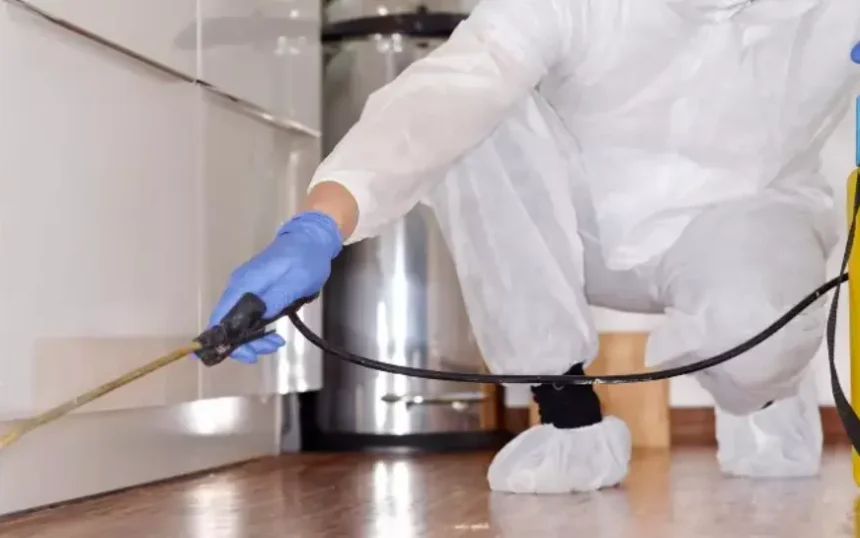
- Application of professional-grade residual insecticides to all harborage sites
- Use of multiple chemical classes with different modes of action to overcome resistance
- IGR (Insect Growth Regulators) applied to prevent nymph development and egg viability
- Dust formulations applied to wall voids, electrical outlets, and pipe chases where liquid sprays cannot reach
Phase 3: Heat Treatment (When Applicable)
- Targeted heat treatment of heavily infested items using professional-grade equipment
- Sustained temperatures above 50°C for a minimum of 90 minutes to kill all life stages including eggs
- Particularly effective for mattresses, furniture, and items that cannot be treated with chemicals
Phase 4: Physical Barriers and Monitoring
- Installation of bed bug interceptors on bed legs to capture climbing bugs
- Application of barrier treatments to bed frame joints and furniture legs
- Placement of monitoring devices to track post-treatment activity
Phase 5: Follow-Up Treatments
- Second treatment scheduled 10-14 days after initial application to target newly hatched nymphs
- Third treatment if needed, based on monitoring results
- Final inspection and clearance assessment
Treatment Preparation Checklist
Before Guardix technicians arrive, follow this preparation protocol:
- [ ] Wash all bedding, clothing, and fabric items in hot water (60°C minimum) and dry on high heat for at least 30 minutes
- [ ] Place cleaned items in sealed plastic bags or containers — do not return them to the treatment area until cleared
- [ ] Remove all items from under beds, from closet floors, and from tops of dressers
- [ ] Vacuum all floors, mattresses, and furniture thoroughly — dispose of vacuum bag immediately in outdoor trash
- [ ] Pull bed away from walls by at least 30cm
- [ ] Remove electrical outlet and switch plate covers in the bedroom (technicians will treat inside)
- [ ] Do not move furniture to other rooms — this spreads the infestation
- [ ] Ensure pets and people are out of the treatment area for the specified duration
- [ ] Remove or cover food, dishes, and cooking utensils
Bed Bug Treatment Costs in Kuwait
Understanding the cost structure helps you budget appropriately and avoid companies that underquote to win business.
Cost Estimates by Property Type
| Property Type | Treatment Range | Follow-Up Included | Notes |
| Studio / 1-bedroom apartment | 60-100 KWD | 1-2 follow-ups | Most common scenario |
| 2-3 bedroom apartment | 100-180 KWD | 2 follow-ups | Multiple rooms require more time and material |
| Villa (single floor) | 150-250 KWD | 2-3 follow-ups | Larger area, more harborage sites |
| Full villa (multiple floors) | 250-400 KWD | 3 follow-ups | Comprehensive treatment required |
| Commercial (per room) | 40-80 KWD | 2 follow-ups | Hotels, furnished apartments |
Factors Affecting Cost
- Severity: Heavy infestations require more chemical product, more time, and more follow-up visits
- Clutter level: Highly cluttered rooms require more preparation time and have more harborage sites
- Property type: Multi-unit buildings may require coordination with neighbors and building management
- Treatment method: Heat-only treatments are typically more expensive per session but may require fewer follow-ups
- Location: Some companies charge premium rates for distant areas like Jahra or Al-Ahmadi
Warning Signs of Unreliable Operators
- Prices significantly below market rates (they will cut corners on chemicals and follow-ups)
- Claims of “one treatment solves everything” — this is never true for bed bugs
- No written warranty or guarantee
- Technicians without proper certification or protective equipment
- Refusal to schedule follow-up visits
Bed Bug Prevention: Protecting Your Kuwait Home
Prevention After Travel
Travel is the single most common way bed bugs enter Kuwait homes. Follow this protocol after every trip:
- Inspect hotel rooms: Before unpacking, check mattress seams, headboard, and nightstand for signs of bed bugs. Keep luggage on luggage racks, not on beds or floors.
- Quarantine luggage: Upon returning home, do not bring suitcases into bedrooms. Unpack in a garage, entryway, or bathroom — hard surfaces where bed bugs are easy to spot.
- Hot wash immediately: All clothing goes directly from luggage to the washing machine (60°C), then dryer on high heat.
- Inspect luggage: Examine all seams, pockets, and wheels. Store suitcases in sealed plastic bags or outside living areas between trips.
Prevention After Purchasing Used Furniture
- Inspect thoroughly before purchase: Check all seams, joints, undersides, and cushion zippers for live bugs, fecal spots, or shed skins
- Quarantine new items: If possible, keep secondhand furniture in a separate area for 1-2 weeks with interceptors underneath to detect any emerging bugs
- Treat preventively: Consider professional preventive treatment for high-risk items like used mattresses and upholstered furniture
- Avoid used mattresses entirely: The risk is simply not worth the savings. This is the single most common source of bed bug introductions in Kuwait.
Ongoing Home Protection
- Mattress encasements: Install high-quality, bed-bug-proof mattress and box spring encasements. These eliminate seams and crevices where bugs hide and make future inspections easier.
- Reduce clutter: Bed bugs thrive in cluttered environments that offer unlimited harborage. Keep sleeping areas minimal and organized.
- Regular inspection: Check mattress seams and bed frames monthly as part of your cleaning routine.
- Seal entry points: In apartments, seal gaps around pipes, utility penetrations, and electrical outlets with silicone caulk to reduce inter-unit migration.
- Be vigilant in shared buildings: If neighbors report bed bug issues, schedule a preventive inspection immediately — do not wait until you see signs.
Bed Bug Prevention for Kuwait Businesses
For hotels, furnished apartments, and guest houses:
- Staff training: Housekeeping staff must be trained to recognize early signs of bed bugs during routine room cleaning
- Routine inspections: Schedule quarterly professional inspections of all guest rooms
- Protective encasements: Use bed-bug-proof mattress and pillow protectors on all guest beds
- Luggage rack placement: Ensure luggage racks are positioned away from beds and walls
- Rapid response protocol: When a guest reports bites, have a clear escalation process that includes immediate room isolation and professional inspection of adjacent rooms
Bed Bugs and Kuwait’s Residential Culture
The Domestic Worker Factor
Many Kuwaiti households employ domestic workers who live in the home. This affects bed bug dynamics in several ways:
- Separate sleeping quarters: Domestic worker rooms may be inspected less frequently, allowing infestations to establish undetected
- Communication barriers: Workers may not report early signs due to language barriers or fear of blame
- Shared laundry: Communal laundry areas in large households can spread bed bugs between family and worker areas
- Recommendation: Include domestic worker sleeping areas in all inspections and ensure open communication about pest sightings
The Diwaniya Consideration
The traditional Kuwaiti diwaniya — a gathering space for social and business meetings — presents unique bed bug risks:
- Cushioned seating: Diwaniya furniture features deep cushions with numerous seams and folds — ideal bed bug habitat
- High visitor turnover: Numerous guests increase the risk of bed bug introduction via clothing and bags
- Limited awareness: Diwaniya spaces are often not included in regular pest control service plans
- Recommendation: Include diwaniya seating in your regular pest control maintenance schedule
Multi-Unit Building Challenges
In Kuwait’s apartment buildings, bed bug management requires a coordinated approach:
- Building-wide assessment: If one unit has bed bugs, adjacent units (above, below, and to both sides) should be inspected
- Simultaneous treatment: Treating units one at a time drives bugs into untreated units; coordinated treatment is more effective
- Landlord cooperation: Kuwait’s rental market sometimes creates friction between tenants and landlords over pest control responsibility and costs
- Recommendation: Document infestations with photographs and professional inspection reports. Under Kuwaiti rental law, landlords are generally responsible for pest control in residential buildings, though lease terms vary.
Frequently Asked Questions About Bed Bugs in Kuwait
Can bed bugs transmit diseases?
Currently, there is no scientific evidence that bed bugs transmit diseases to humans. However, their bites can cause significant discomfort, allergic reactions, secondary skin infections from scratching, and psychological distress including insomnia and anxiety.
How long does professional treatment take to work?
You should see a dramatic reduction in bed bug activity within 48-72 hours of the first treatment. However, complete elimination typically requires 2-3 treatments over 4-6 weeks, as eggs continue to hatch after the initial application. This is normal and does not indicate treatment failure.
Can I sleep in my bed during treatment?
Yes — in fact, you should continue sleeping in your bed during the treatment process. If you move to another room, the bed bugs will follow you, spreading the infestation. After treatment, the residual insecticide on your mattress and bed frame will kill bugs that attempt to feed.
Are the chemicals safe for my children and pets?
Guardix uses products that are registered and approved by the Kuwait Ministry of Health. When applied according to label instructions, these products are safe for humans and pets once the treated surfaces have dried (typically 2-4 hours). Your technician will provide specific re-entry times.
I live in an apartment and my neighbor has bed bugs. What should I do?
Request a preventive inspection immediately. Do not wait for signs of bed bugs in your unit. Early intervention is far less expensive and disruptive than treating an established infestation.
Why Choose Guardix for Bed Bug Treatment in Kuwait
Guardix brings over a decade of experience in Kuwait’s pest control industry to every bed bug treatment:
- Certified technicians trained specifically in bed bug biology and behavior
- Multi-modal treatment approach combining chemical, heat, and physical barrier methods
- Guaranteed follow-up program ensuring complete elimination across the full life cycle
- Discreet service — unmarked vehicles available upon request
- Kuwait Ministry of Health licensed and fully insured
- Arabic and English service with clear communication at every step
- Emergency response — same-day inspection available for severe infestations
Bed bugs are not a reflection of your home’s cleanliness. They are equal-opportunity parasites that can infest any home, regardless of how clean or well-maintained it is. What matters is how quickly and professionally you respond.
Do not let bed bugs steal another night of peaceful sleep. Contact Guardix today for a free inspection and personalized treatment plan.
Guardix — Your Trusted Partner in Public Health & Operational Hygiene. Serving Kuwait since 2012. Licensed by the Kuwait Ministry of Health.
Call now: [Contact Guardix] | Book online: [Schedule Inspection] | WhatsApp: [Message Us]