
Comprehensive Guide to Pest Control in Kuwait: Protect Your Home and Business Year-Round
Comprehensive Guide to Pest Control in Kuwait: Protect Your Home and Business Year-Round
Kuwait’s extreme desert climate creates a perfect storm for pest problems. When summer temperatures soar above 50°C, insects and rodents seek refuge indoors — your home, your restaurant, your warehouse, your hospital. If you’ve ever found cockroaches scurrying across your kitchen at 2 AM, or discovered termite damage weakening your property’s structure, you already know: pest control in Kuwait isn’t a luxury. It’s a necessity.
This guide covers everything Kuwait residents and business owners need to know about professional pest management — from identifying common local pests to choosing the right exterminator and maintaining a pest-free environment long-term.
Why Pest Control Matters More in Kuwait Than Almost Anywhere Else
The Climate Factor
Kuwait’s environment is uniquely challenging when it comes to pest management. The combination of:
- Extreme heat (summer averages 45-50°C) driving pests indoors
- Mild winters (rarely dropping below 8°C) that don’t kill off populations
- High humidity in coastal areas like Kuwait City and Salmiya
- Rapid urban development displacing desert wildlife
…creates year-round pest pressure that doesn’t follow the seasonal patterns seen in temperate countries. In Europe or North America, winter naturally reduces pest activity. In Kuwait? The pests simply move inside.
The Public Health Stakes
This isn’t just about comfort. The pests common in Kuwait carry real health risks:
- Cockroaches spread Salmonella, E. coli, and trigger asthma attacks
- Mosquitoes are vectors for West Nile virus and Dengue fever
- Rodents contaminate food supplies and spread Leptospirosis
- Bed bugs cause severe allergic reactions and psychological distress
In a country where food safety standards are strictly enforced for businesses — especially in the HORECA sector (hotels, restaurants, catering) — a single pest incident can result in closure orders, fines, and permanent reputation damage.
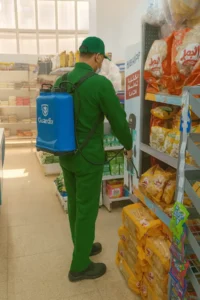
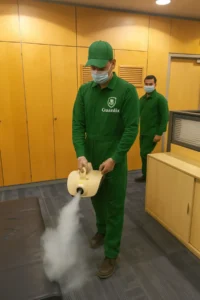

The 7 Most Common Pests in Kuwait (And How to Identify Them)
1. German Cockroaches (Blattella germanica)
The most persistent indoor pest in Kuwait. Small (about 1.3-1.6 cm), light brown with two dark stripes behind the head. They prefer warm, humid areas — kitchens, bathrooms, and behind appliances.
Why they’re a nightmare: A single female can produce 300-400 offspring in her lifetime. By the time you see one, there are likely hundreds hidden in cracks and crevices.
2. American Cockroaches (Periplaneta americana)
Larger (3-4 cm), reddish-brown, commonly found in basements, drainage systems, and sewer lines. In Kuwait’s older neighborhoods like Sharq and Mirqab, American cockroaches frequently enter buildings through plumbing.
3. House Mice and Roof Rats
Rodent infestations spike in Kuwait during two periods:
- Summer (June-September): Seeking cool shelter and water
- Winter (December-February): Seeking warmth
Look for droppings (3-7mm for mice, larger for rats), gnaw marks on furniture and wiring, and grease marks along walls where rodents travel.
4. Bed Bugs (Cimex lectularius)
Kuwait’s thriving hospitality industry makes bed bugs a particular concern for hotels and furnished apartments. These tiny parasites (4-5mm) hide in mattress seams, headboards, and upholstery, emerging at night to feed on human blood.
Key sign: Small, itchy red bites in a line or cluster on exposed skin, plus tiny dark spots (excrement) on bedding.
5. Termites
Subterranean termites are a serious threat to properties in Kuwait, particularly in areas with irrigation or near the coast. They silently eat through wooden structures, often causing extensive damage before they’re discovered.
Warning signals: Mud tubes on exterior walls, hollow-sounding wood, discarded wings near windows and doors.
6. Ants
Pharaoh ants and argentine ants are the most common species in Kuwait. Pharaoh ants are particularly problematic in hospitals and healthcare facilities because they can transmit pathogens and are notoriously difficult to eliminate — spraying causes colonies to split and spread.
7. Mosquitoes
While Kuwait’s arid climate limits mosquito populations compared to tropical regions, standing water from air conditioning units, irrigation systems, and construction sites creates breeding grounds. Mosquito activity peaks from April through October.
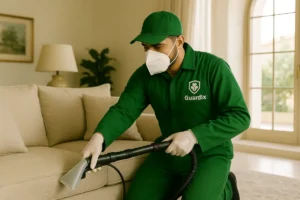
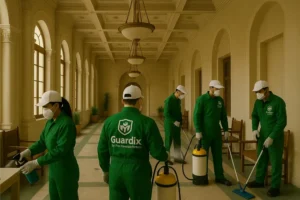
DIY vs. Professional Pest Control: When to Call the Experts
When DIY Can Work
For minor issues, some do-it-yourself approaches are reasonable:
- Ant trails near a food source (bait stations can work)
- Occasional spider sightings (most species in Kuwait are harmless)
- Fruit flies in the kitchen (eliminate breeding sources)
When You Need Professional Help Immediately
Call a licensed pest control company if you notice:
- Cockroach infestations visible during daytime (indicates severe overpopulation)
- Termite mud tubes or wood damage
- Rodent droppings in food storage or preparation areas
- Bed bug bites (these require professional heat treatment or chemical treatment)
- Any pest issue in a commercial food facility — health regulations require professional intervention
The Problem with Store-Bought Pesticides
Many over-the-counter pest control products available in Kuwait’s markets contain active ingredients that pests have developed resistance to. Worse, improper application can:
- Contaminate food preparation surfaces
- Expose children and pets to harmful chemicals
- Drive pests deeper into walls and structures, making the problem harder to solve
- Violate Kuwait Municipality health regulations for businesses
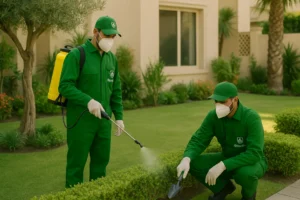
Professional pest control technicians are trained in the safe application of restricted-use pesticides and follow integrated pest management (IPM) protocols that minimize chemical exposure while maximizing effectiveness.
What Professional Pest Control in Kuwait Actually Involves
Step 1: Thorough Inspection
A qualified technician will:
- Identify the pest species and severity of infestation
- Locate entry points, nesting sites, and food/water sources
- Assess environmental factors contributing to the problem
- Document findings in a detailed report
Step 2: Customized Treatment Plan
Based on the inspection, the treatment plan may include:
- Gel baits and insect growth regulators (IGR) for cockroaches
- Bait stations for rodents (placed strategically to avoid non-target exposure)
- Liquid termiticide barriers or bait systems for termites
- Heat treatment or residual insecticide for bed bugs
- Residual spraying for general pest prevention
Step 3: Exclusion and Prevention
The most effective pest control isn’t just killing what’s there — it’s preventing re-entry:
- Sealing cracks and gaps in walls, windows, and door frames
- Installing door sweeps and weather stripping
- Repairing damaged screens and vents
- Addressing moisture issues (leaking pipes, condensation)
Step 4: Follow-Up and Monitoring
Professional pest management includes scheduled follow-up visits to:
- Verify treatment effectiveness
- Replenish baits and monitoring stations
- Adjust the treatment plan if needed
- Provide documentation for health inspections (commercial clients)
Industry-Specific Pest Control Requirements in Kuwait
Healthcare Facilities
Hospitals and clinics face the strictest pest control requirements. Pharaoh ants, cockroaches, and flies can transmit pathogens between patients. Professional healthcare-focused programs use non-repellent insecticides and pheromone-based monitoring systems that are safe for immunocompromised patients.
Food Service and Hospitality
Kuwait’s restaurants, hotels, and catering companies must maintain pest control records for Kuwait Municipality inspections. This includes:
- Monthly service reports
- Bait station maps and monitoring logs
- Material Safety Data Sheets (MSDS) for all chemicals used
- Corrective action documentation
Industrial and Warehouse Facilities
Food storage warehouses in Shuwaikh Industrial Area and other commercial zones face unique challenges: grain beetles, weevils, stored product moths, and rodents. Treatment requires specialized fumigation and commodity protection protocols.
Residential Properties
For homes in areas like Salmiya, Jabriya, and Hawally, the most common requests are for cockroach and ant control, with seasonal spikes in rodent activity. Apartment buildings present additional challenges because pests can travel between units through shared plumbing and ventilation.
How to Choose a Pest Control Company in Kuwait
1. Licensing and Certification
Verify that the company is licensed by Kuwait’s Public Authority for Agriculture Affairs and Fish Resources (PAAAFR), which regulates pesticide application in the country.
2. Experience and Track Record
Look for companies with at least 5-10 years of experience in Kuwait’s specific pest environment. Local knowledge matters — the pest pressures in Jahra are different from those in Kuwait City.
3. Integrated Pest Management (IPM) Approach
The best companies don’t just spray chemicals. They use IPM, which combines:
- Biological controls
- Habitat modification
- Targeted chemical application
- Ongoing monitoring
This approach is more effective long-term and safer for occupants.
4. Insurance and Guarantees
Reputable companies stand behind their work with service guarantees and carry liability insurance — essential protection for both residential and commercial clients.
5. Response Time
For commercial clients, especially in hospitality and healthcare, emergency response capability is non-negotiable. Ask about their rapid response protocols before you need them.
Seasonal Pest Control Calendar for Kuwait
| Season | Primary Threats | Recommended Actions |
|---|---|---|
| Spring (Mar-May) | Ants, termites swarming, mosquitoes begin | Schedule annual termite inspection; start mosquito prevention |
| Summer (Jun-Sep) | Cockroaches (indoor surge), rodents (seeking cool shelter), bed bugs | Intensify indoor treatments; inspect AC units for mosquito breeding |
| Autumn (Oct-Nov) | Rodents (pre-winter activity), spiders, occasional invaders | Seal exterior gaps; install door sweeps; refresh rodent bait stations |
| Winter (Dec-Feb) | Rodents (seeking warmth), stored product pests in pantries | Deep clean food storage areas; check attic and basement for rodent entry |
The Cost of Ignoring Pest Problems
Let’s put real numbers to this. In Kuwait:
- A restaurant that fails a health inspection due to pest evidence faces temporary closure, costing an estimated 5,000-20,000 KD in lost revenue per week
- Termite damage to a residential property can cost 3,000-15,000 KD to repair if left untreated for more than a year
- Bed bug infestations in hotels lead to negative online reviews that can reduce booking rates by 20-40%
- Rodent damage to electrical wiring is a leading cause of unexplained fires in warehouse facilities
Compare this to the cost of professional pest control: a comprehensive annual program typically ranges from 300-1,500 KD for residential properties and 1,000-5,000 KD for commercial facilities, depending on size and risk level.
Prevention costs a fraction of remediation. Every time.
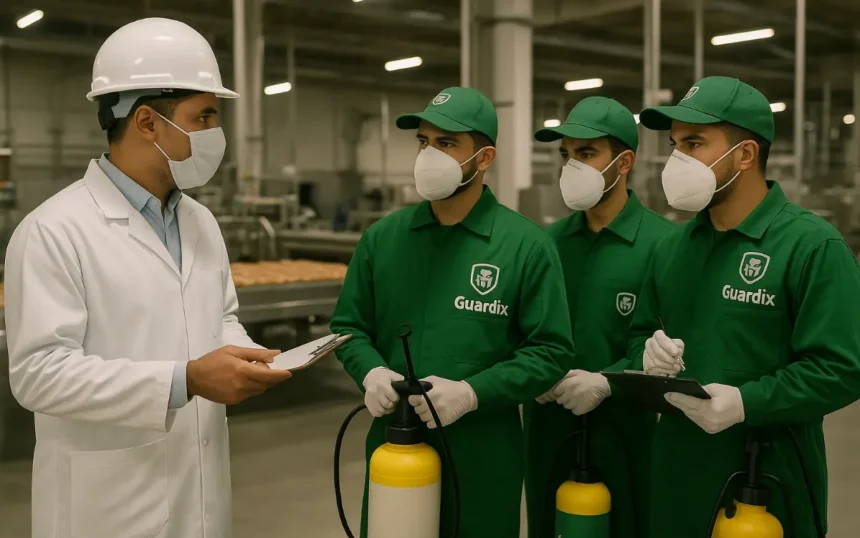
Guardix: Kuwait’s Trusted Partner in Pest Control and Hygiene
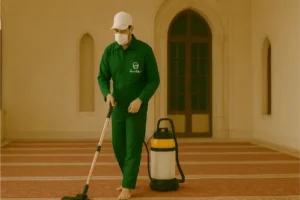
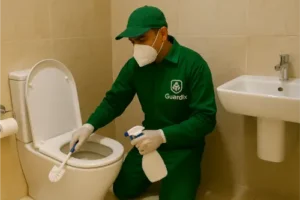
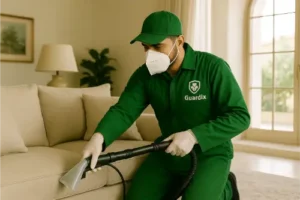
With over 10 years of experience serving Kuwait’s residential, commercial, and industrial sectors, Guardix has built its reputation on three principles:
- Strategic Prevention — Stopping infestations before they start through proactive monitoring and exclusion
- Precision Elimination — Using targeted treatments that eliminate pests without unnecessary chemical exposure
- Compliance Management — Ensuring every client meets and exceeds Kuwait Municipality health regulations
Our team of 35+ certified technicians serves clients across Kuwait, from hospitals in Sabah to warehouses in Shuwaikh, from apartments in Salmiya to restaurants in the Avenues.
Need a pest inspection or emergency service? Contact Guardix at +965 99613387 (available 24/7) or visit guardix-me.com to request a free consultation.
Frequently Asked Questions About Pest Control in Kuwait
How often should I schedule pest control treatments?
For residential properties, quarterly treatments are generally sufficient. Commercial food establishments should have monthly service. Healthcare facilities may require bi-weekly monitoring.
Are the chemicals used safe for children and pets?
Professional pest control companies like Guardix use EPA-registered products applied according to strict safety protocols. Technicians will advise on any temporary precautions (such as keeping pets away from treated areas for a specified period).
How long does a treatment take?
A standard residential treatment takes 30-60 minutes. Commercial treatments vary based on facility size but typically take 2-4 hours. Termite treatments may require a full day.
What should I do before a pest control visit?
- Clear clutter from floors and under beds
- Remove food items from countertops
- Ensure access to kitchen cabinets and bathroom areas
- Inform the technician of any pets, children, or health concerns
Does pest control work immediately?
You’ll often see a reduction in pest activity within 24-48 hours. Some treatments (like gel baits for cockroaches) take 1-2 weeks for full effect as the bait is carried back to the nest.
Key Takeaways
- Kuwait’s climate creates year-round pest pressure — there’s no “off season”
- Professional pest control is more effective and safer than DIY methods
- Different industries (healthcare, hospitality, food service) have specific regulatory requirements
- Prevention is always cheaper than dealing with an established infestation
- Choose a pest control partner based on licensing, experience, IPM approach, and response time
- Seasonal awareness helps you stay ahead of pest activity cycles
Don’t wait until pests become visible to take action. The most effective pest control strategy is the one that prevents problems before they start.
Ready to protect your property? Contact Guardix today for a free inspection and customized pest management plan. Call +965 99613387 — our rapid response team is available 24/7.